

Most local businesses waste time on SEO tactics that stopped working years ago, while their competitors dominate the Map Pack by focusing on what actually moves rankings.
This guide breaks down the most effective local SEO strategies into a tier system: what you must do, what helps, and what’s a complete waste of time.
No theory—just the tactics that work based on current ranking factors. This is the kind of evergreen content that will remain relevant for years.
- The 5 highest-impact local SEO strategies and why they should be your first priority.
- How to optimize your Google Business Profile (formerly Google My Business) for maximum visibility.
- Which commonly recommended "best practices" are actually obsolete in 2026.
- How Google's local algorithm weighs different ranking factors.
- Step-by-step implementation for each strategy, plus common mistakes to avoid.
- A prioritized action plan: what to do this week, this month, and ongoing.
What Is Local SEO?
Local SEO is the process of optimizing your online presence to rank in Google’s location-based results—specifically, the Map Pack and local organic listings.
It’s also known as local search engine optimization or Google My Business optimization (though Google My Business was rebranded to Google Business Profile in 2021).
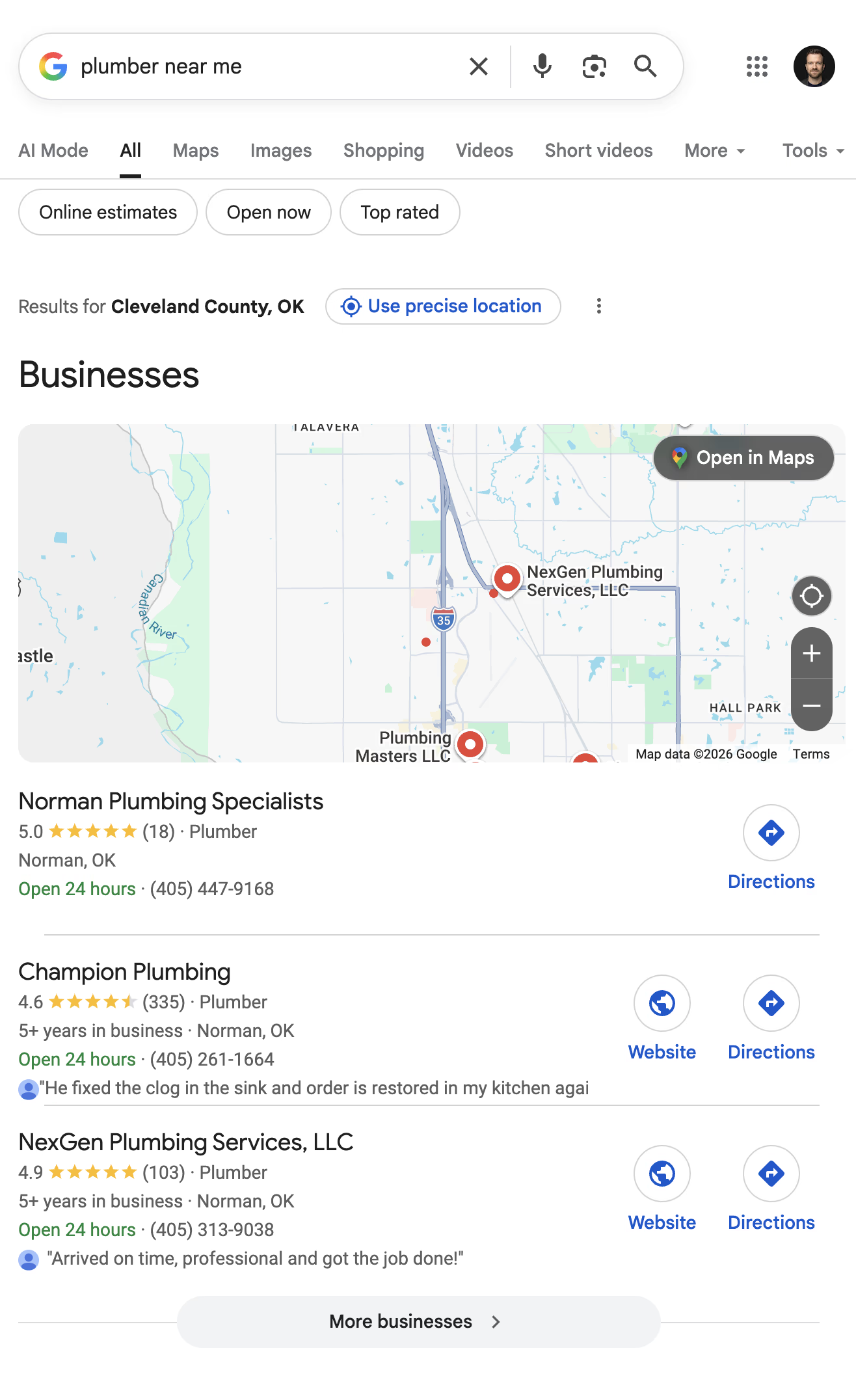
When someone searches “plumber near me” or “best dentist in Austin,” Google displays different results than a standard search.
Users see a map with three business listings (the Map Pack) followed by organic results below. Local SEO is what gets your business into those spots.
The data makes the case clearly:
- 76% of people who search for something nearby visit a business within 24 hours (Google)
- 28% of local searches result in a purchase (Google)
- The top 3 Map Pack results capture roughly 44% of clicks (Moz)

The Map Pack vs. Organic Results
Understanding the difference matters for your strategy.
The Map Pack appears at the top of local searches. It shows 3 business listings with a map, pulls data primarily from Google Business Profile, and captures the highest click-through rates.
Local organic results appear below the Map Pack as traditional “blue link” listings. They pull data from your website and capture researchers doing deeper evaluation.
You want to rank in both, but they require different optimization approaches.
Local SEO vs. Traditional SEO
| Factor | Local SEO | Traditional SEO |
|---|---|---|
| Primary Goal | Rank in Map Pack + local organic | Rank in standard organic results |
| Key Platform | Google Business Profile | Website |
| Top Ranking Signals | GBP optimization, reviews, proximity | Backlinks, content, technical SEO |
| Conversion Path | Calls, directions, store visits | Website conversions |
| Geographic Focus | Specific city/region | National or global |
| Review Importance | Critical (direct ranking factor) | Indirect (trust signal) |
You need both approaches, but if you’re a local business with limited resources, prioritize GBP optimization first.
Your Google Business Profile accounts for 32% of Map Pack ranking factors—more than any other category.
Your website matters, but GBP matters more for local visibility.
How Google Ranks Local Results
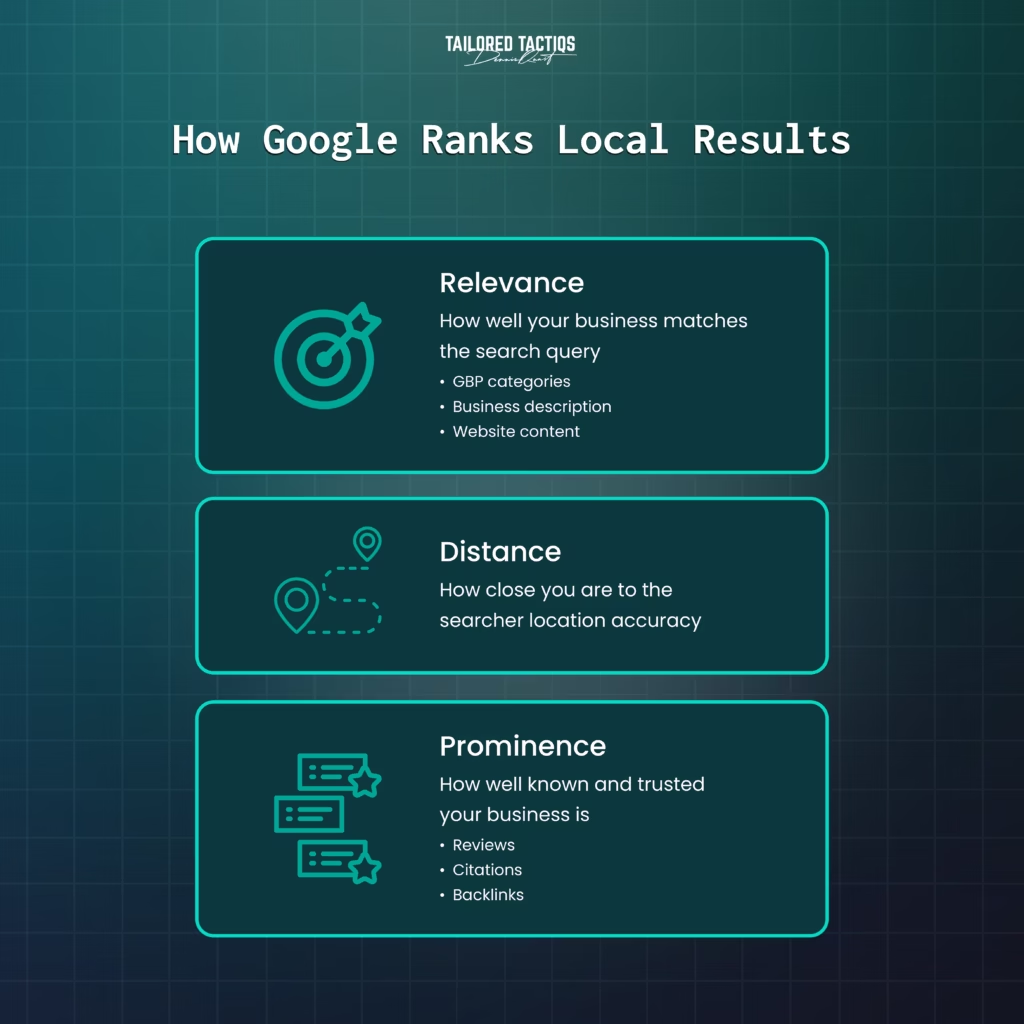
Google uses three primary factors for local rankings: relevance, distance, and prominence.
Relevance
Relevance measures how well your business matches the search query.
Google evaluates your GBP categories, business description, services listed, and website content.
For example, if someone searches “emergency dentist,” a practice with “Emergency Dental Service” as a category ranks higher than one listed only as “Dentist.”
Distance
Distance calculates how close you are to the searcher.
This is based on their current location or the location specified in their search.
You can’t fully control this factor—you can’t move your business. But you can ensure your address is accurate and optimize everything else to compensate.
Prominence
Prominence measures how well-known and trusted your business is.
Google looks at review quantity and quality, review velocity (how consistently you get new reviews), citation consistency across the web, backlinks to your website, and overall online presence. Building a strong brand identity directly contributes to prominence signals.
The Ranking Factor Breakdown
According to Moz’s Local Search Ranking Factors, here’s how these factors break down for Map Pack rankings:
| Factor | Weight |
|---|---|
| Google Business Profile Signals | 32% |
| On-Page Signals | 19% |
| Review Signals | 16% |
| Link Signals | 11% |
| Behavioral Signals | 8% |
| Citation Signals | 7% |
| Personalization | 7% |
This data shapes our tier system—we prioritize strategies based on actual impact, not conventional wisdom.
The Local SEO Strategies Tier System
Not all local SEO strategies are equal.
Some move the needle significantly, while others are busywork disguised as optimization.
| Tier | Impact Level | What It Means |
|---|---|---|
| Must-Do | Highest | Do these before anything else |
| Should-Do | Strong | Tackle after fundamentals are solid |
| Do When There’s Time | Moderate | Worth doing, lower priority |
| Wastes of Time | None | Skip entirely—these don’t work |
Focus on Must-Do strategies first. Move to Should-Do only after fundamentals are complete. Skip the Wastes of Time entirely.
Must-Do Local SEO Strategies
These five local SEO strategies have the strongest correlation with ranking improvements.
Implement all of them before moving to other optimizations.
1. Keywords in Your Business Name
Businesses with relevant keywords in their name have a measurable ranking advantage.
This is controversial but true.
Consider the difference between “Smith Family Dentistry” and “Smith Dental – Family & Cosmetic Dentistry.”
The second name includes keywords that match common search queries like “family dentistry” and “cosmetic dentistry.”
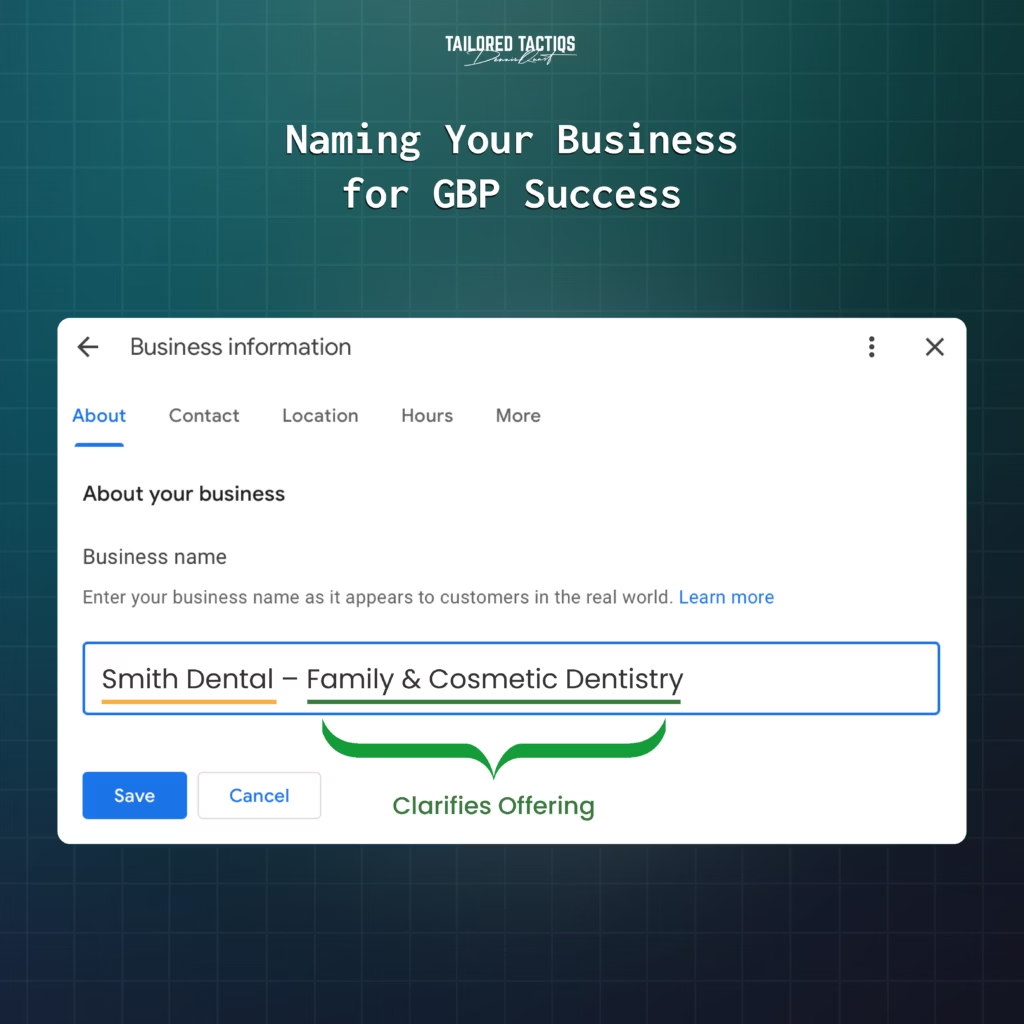
The catch: your GBP name must match your legal business name.
Google actively penalizes businesses that stuff keywords without legal basis. They’ve suspended thousands of listings for this violation.
If you want keywords in your name, you need to:
- Legally change your business name with your state/local government
- Update it on all official documents and signage
- Then update your GBP and all online profiles consistently
Is it worth the hassle?
For competitive markets, yes.
A home services client who added their primary service to their legally registered name saw Map Pack appearances increase 340% for that service category within 90 days.
However, if you’re in a low-competition market or already ranking well, the legal complexity may not be worth it.
Pro Tip: Before changing your name, search your primary keywords and analyze the top 3 Map Pack results. If they all have keywords in their names, you're at a disadvantage without them.
2. Keywords in Your Landing Page Title Tag
Your website’s title tag is Google’s first signal for page relevance.
This takes 5 minutes and has outsized impact.
The Formula: [Primary Service] in [City] | [Business Name]
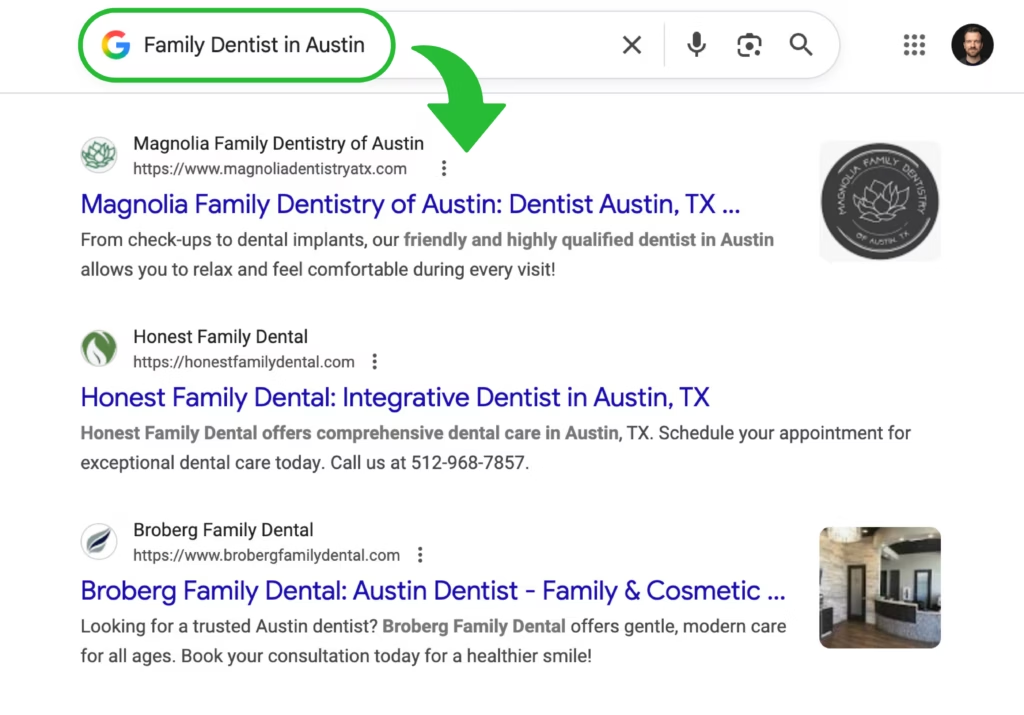
Good Examples:
- “Emergency Plumber in Seattle | Pacific Plumbing Services”
- “Family Dentist in Austin, TX | Bright Smile Dental”
- “Personal Injury Lawyer Portland | Johnson Law Firm”
Bad Examples:
- “Welcome to Our Website”
- “Home”
- “Smith & Associates”
Keep it under 60 characters and include your primary service and city.
Your meta description matters too. Include your city and a call-to-action:
“Seattle’s top-rated emergency plumber. Available 24/7 with 60-minute response times. Call now for same-day service.”
3. Complete Your Google Business Profile
Incomplete profiles rank lower.
Google’s own data shows complete profiles are 70% more likely to attract location visits and 50% more likely to lead to a purchase.
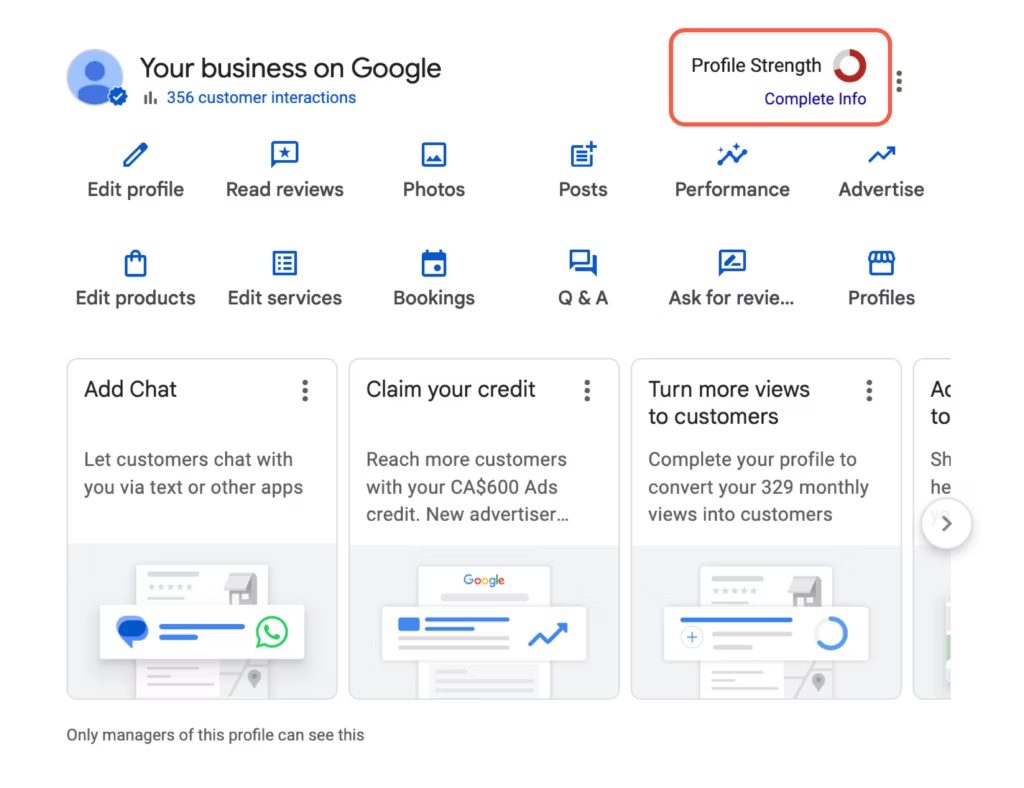
Required Fields for 100% Completion:
| Field | What to Include |
|---|---|
| Business Name | Legal name (with keywords if legitimate) |
| Address | Exact address with suite/unit numbers |
| Phone | Local number (not toll-free) |
| Website | Location-specific page, not just homepage |
| Hours | Regular hours + special/holiday hours |
| Categories | Primary + up to 9 relevant secondary |
| Description | 750 characters with natural keywords |
| Services | Every service you offer with descriptions |
| Products | If applicable, with photos and prices |
| Attributes | All relevant (parking, WiFi, accessibility) |
| Photos | Minimum 10 high-quality images |
Photo Requirements:
Google rewards profiles with quality images.
Include an exterior shot (helps customers find you), 3-5 interior shots, team photos, product/service photos, and action shots of your team working.
Update photos monthly—fresh images signal an active business.
The Description:
Your 750-character description should include what you do, who you serve, where you’re located, and what makes you different.
Don’t keyword stuff. Write for humans.
Pro Tip: Log into Google Business Profile Manager today and check your profile completion percentage. Fill every empty field before doing anything else.
4. Choose the Right Categories
Your primary category has the single largest impact on which searches trigger your listing.
Google offers 4,000+ categories. Choose wisely.
Be specific.
“Personal Injury Attorney” ranks better for personal injury searches than “Lawyer.”
“Pediatric Dentist” ranks better for children’s dental searches than “Dentist.”
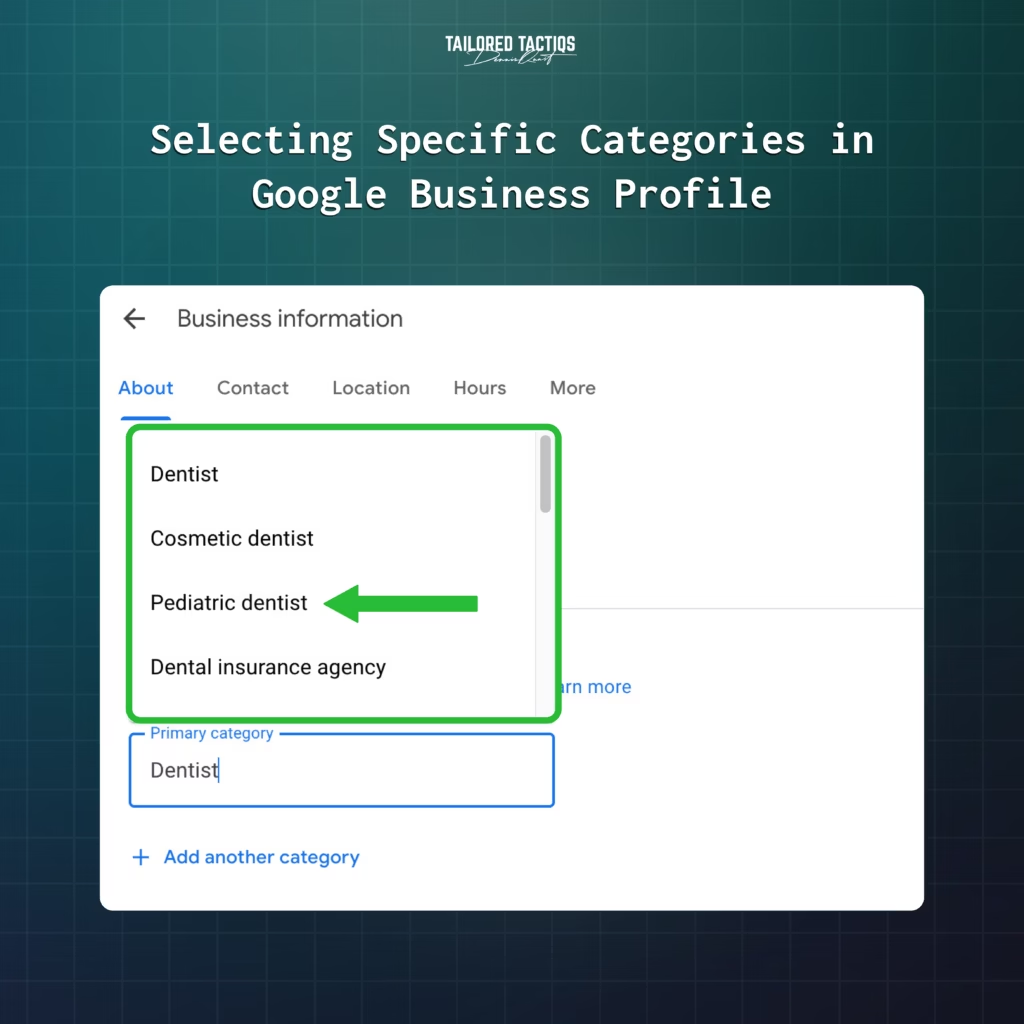
The more specific your category, the better you match specific queries.
Use all relevant secondary categories.
You can add up to 9. If they’re legitimately relevant to your business, add them.
Example for a plumbing company:
| Type | Category |
|---|---|
| Primary | Plumber |
| Secondary | Emergency Plumber |
| Secondary | Drainage Service |
| Secondary | Water Heater Installation Service |
| Secondary | Sewer Cleaning |
| Secondary | Bathroom Remodeler |
| Secondary | Pipe Supplier |
How to research categories:
Search your primary keyword and click on the top 3 Map Pack competitors.
Use browser extensions like GMBspy or PlePer to see their categories. Note which categories appear most frequently among top rankers.
5. City Name in Website Content
Your website needs to clearly signal which geographic area you serve.
This helps Google connect your site to your GBP and reinforces local relevance.
Include your city in:
- Page titles and H1 tags
- The first paragraph of key pages
- H2 subheadings where natural
- Image alt text and file names
- URL structure for new pages
- Your footer with full NAP on every page
- Schema markup
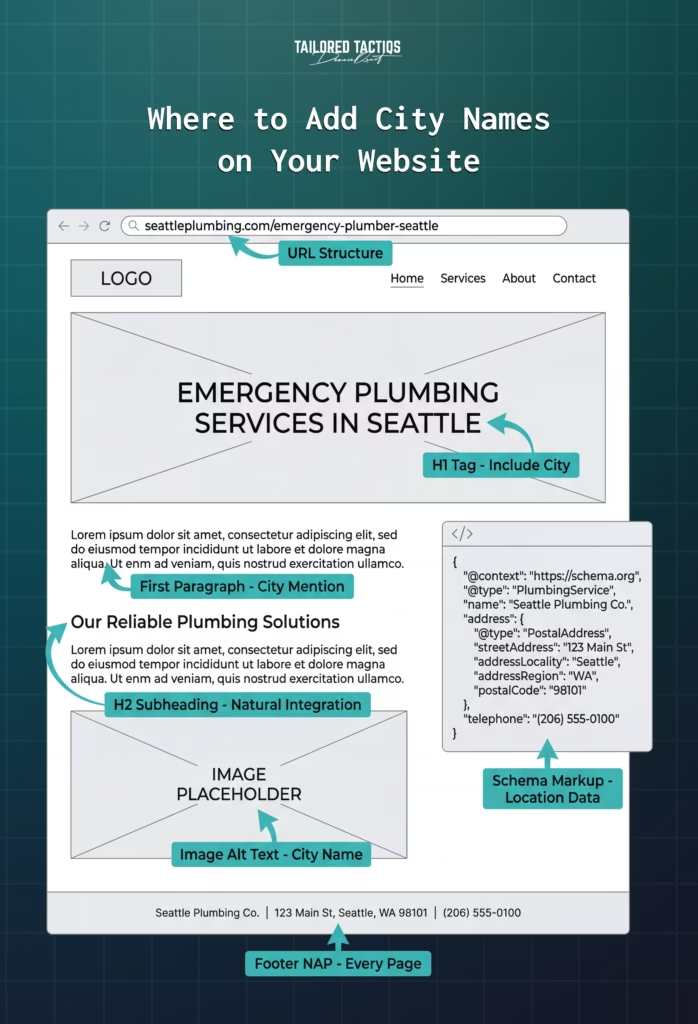
Natural integration example:
“Based in Seattle’s Capitol Hill neighborhood, we’ve provided emergency plumbing services to King County homeowners since 2008. Our licensed plumbers respond within 60 minutes to calls throughout the greater Seattle area.”
Keyword-stuffed example (don’t do this):
“Our Seattle plumbing company provides Seattle plumbing services to Seattle residents.”
Google’s algorithm is sophisticated. It recognizes and penalizes stuffing.
For multi-location businesses, create dedicated location pages for each area you serve with unique content—not just the city name swapped out.
Should-Do Strategies
Once your Must-Do strategies are complete, these tactics provide the next level of improvement.
6. Generate More Positive Reviews
Reviews account for roughly 16% of local ranking factors.
Beyond rankings, they directly influence click-through rates and conversions.
The data is compelling:
- 57% of consumers only use businesses with 4+ stars (BrightLocal)
- Responding to reviews correlates with better rankings (Google)
- 92% of consumers consider owner responses part of quality customer service
- Businesses with 40+ reviews earn 54% more revenue than average

How to get more reviews:
- Ask at the right moment—immediately after successful service
- Make it frictionless by sending a direct link to your Google review form
- Use multiple channels: email, SMS, in-person, receipts
- Train your team so everyone knows how to ask
- Never incentivize reviews (this violates Google’s terms)
Responding to Reviews:
Respond to every review—positive and negative.
For positive reviews: thank them specifically, mention something about their experience, and keep it brief.
For negative reviews: respond within 24 hours, acknowledge their frustration, apologize, offer to resolve offline, and stay professional.
Future customers are reading how you handle problems.
Example negative review response:
"Hi [Name], I'm sorry to hear about your experience. This isn't the standard we hold ourselves to. I'd like to make this right—please call me directly at [phone] so we can discuss. - [Owner Name]"
Pro Tip: Set up a review request system this week. Create an email/SMS template and send it to every customer within 24 hours of service completion.
7. Keywords in H1 and H2 Tags
Your heading structure signals content relevance to search engines.
Include your primary keyword + location in your H1. Use secondary keywords in H2s where natural.
Example structure for a service page:
H1: Emergency Plumbing Services in Seattle, WA
  H2: 24/7 Emergency Plumber Response
  H2: Common Plumbing Emergencies We Handle
    H3: Burst Pipe Repair
    H3: Water Heater Failures
    H3: Sewer Line Backups
  H2: Our Emergency Response Process
  H2: Service Areas in King County
Rules:
- One H1 per page
- Include primary keyword + city in your H1
- Use H2s to break up major sections
- Don’t skip heading levels
- Don’t stuff—if it doesn’t fit naturally, skip it
8. Dedicated Service Pages
Instead of one “Services” page, create individual pages for each service.
This lets you target specific long-tail keywords, match searcher intent more precisely, and rank for more queries.
Example:
Instead of /services, create:
/emergency-plumbing-seattle/water-heater-installation-seattle/drain-cleaning-seattle/bathroom-remodeling-seattle
Each service page needs:
- H1 with service + city
- Intro explaining what the service is and who needs it (100-150 words)
- Benefits explaining why customers choose you
- Numbered process showing how you deliver the service
- Pricing information (at least a range or “starting at”)
- FAQ with 3-5 service-specific questions
- Clear CTA
- Service schema markup
Aim for 500-800 words of unique, helpful content per page.
Don’t create thin pages with just 100 words and a contact form.
9. Internal Linking
Strategic internal linking distributes page authority and helps Google understand your site structure.
Link from blog posts to service pages, from service pages to location pages, and from all pages to your most important pages.
Anchor text rules:
- ✅ “Seattle emergency plumber” (descriptive)
- ✅ “our drain cleaning services” (contextual)
- ❌ “click here” (generic)
- ❌ “read more” (generic)
Target 3-5 internal links per page, with more for pillar content and long-form guides.
10. Schema Markup
Schema helps search engines understand your business information.
It can trigger rich results like star ratings and business hours in search results.
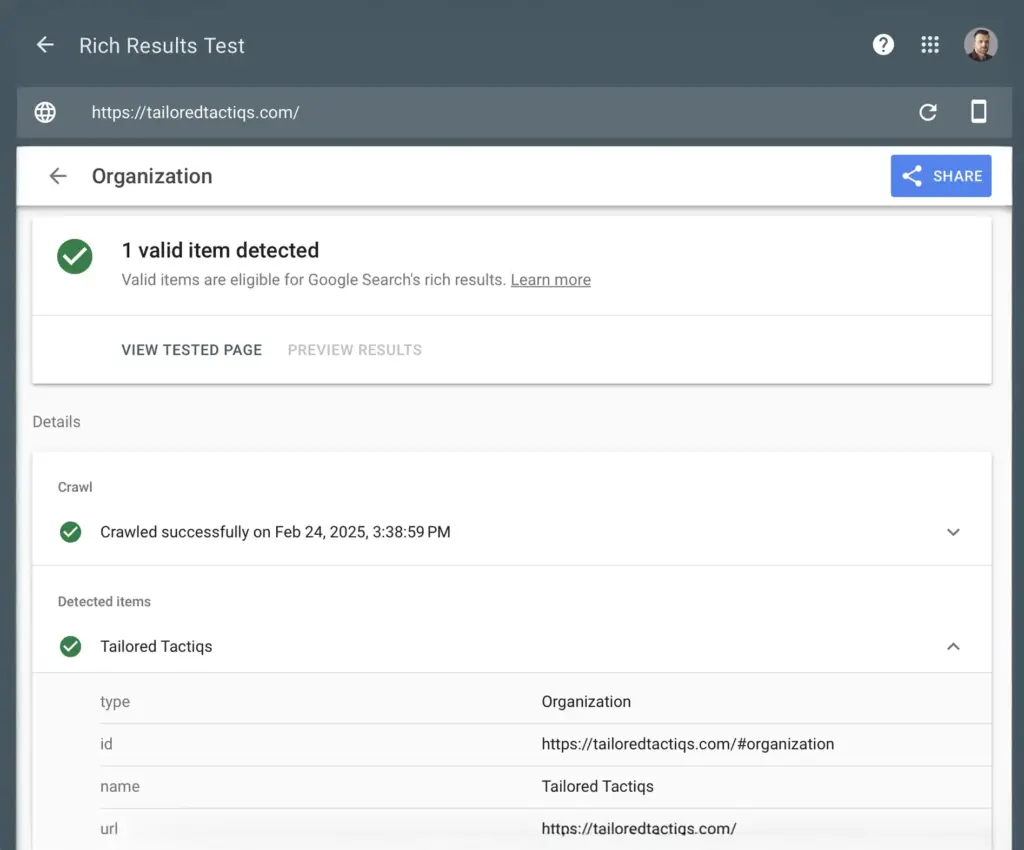
Essential schema for local businesses:
| Schema Type | Purpose |
|---|---|
| LocalBusiness | Core business info (NAP, hours, geo coordinates) |
| Organization | Brand details, logo, social profiles |
| Service | Individual service offerings |
| FAQPage | FAQ sections |
| Review | Customer testimonials |
| BreadcrumbList | Site navigation |
Use Google’s Structured Data Markup Helper to generate your schema.
Add it to your website via plugin or directly in HTML, test with Rich Results Test, and monitor in Search Console under “Enhancements.”
Do When There’s Time
These strategies are worth implementing, but shouldn’t take priority over the above.
11. Citation Consistency
Citations are mentions of your NAP (name, address, phone) on other websites—Yelp, Facebook, Apple Maps, industry directories.
Consistent NAP across the web reinforces your legitimacy to Google. Inconsistent information creates confusion.
The reality in 2026:
Google’s algorithm is sophisticated enough to handle minor variations. “123 Main St” and “123 Main Street” won’t hurt you.
But major inconsistencies—wrong phone numbers, old addresses—will.
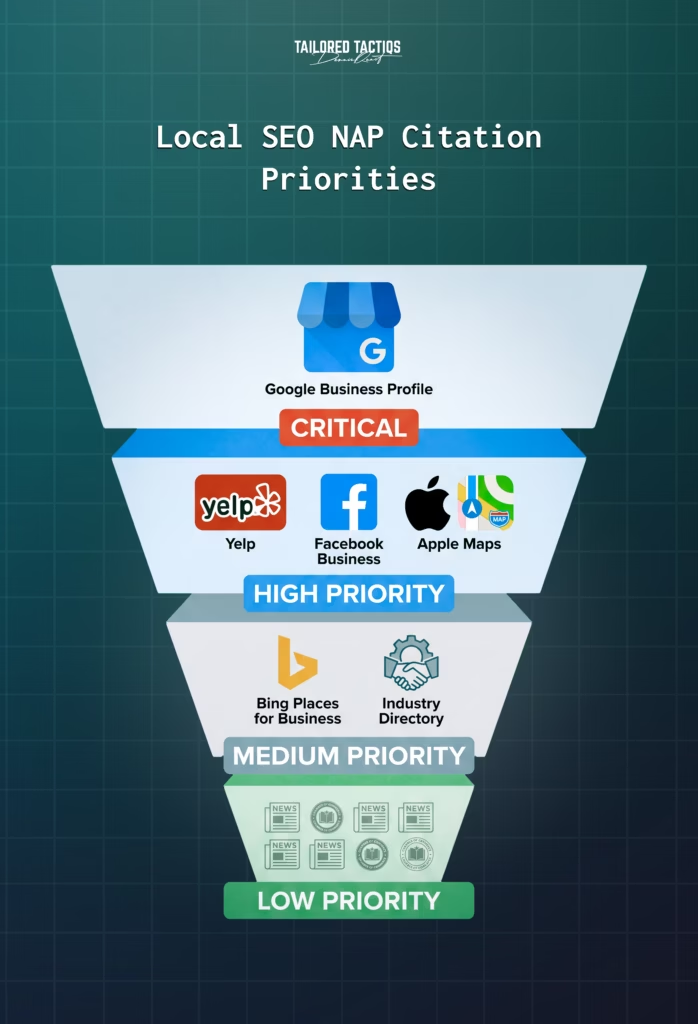
Here’s what each platform offers and how long setup takes:
| Platform | Why It Matters | Setup Time |
|---|---|---|
| Google Business Profile | Primary local search ranking factor; appears in Maps and local pack | 20 min |
| Yelp | Major review platform; high domain authority | 15 min |
| Facebook Business | Social signals + discovery tool | 10 min |
| Apple Maps | Default iOS navigation; growing importance | 15 min |
| Bing Places | 10% market share; easier rankings | 10 min |
| Industry directories | Niche authority signals | Varies |
| Local directories | Minimal SEO impact in 2026 | 5 min each |
Create a master NAP document with your exact information. Claim profiles on the top 10-15 platforms. Ensure NAP is identical everywhere. Check quarterly for changes or duplicates.
While you’re building your online presence, consider growing your email list to capture leads directly—reducing your dependence on search rankings alone.
Don’t obsess over getting listed on 100 directories. Focus on the major platforms with accurate information.
12. Local Backlinks
Backlinks from local websites signal geographic relevance and authority.
Quality matters far more than quantity.

High-value local link sources:
- Local news websites
- Chamber of Commerce
- Local business associations
- Sponsorship pages for events, charities, sports teams
- Local blogs
- Supplier/partner websites
- Local university or community college sites
Building relationships on platforms like LinkedIn can help you connect with local journalists and business owners who can provide these valuable links.
How to get local backlinks:
| Tactic | Difficulty | Impact |
|---|---|---|
| Chamber of Commerce membership | Easy | Medium |
| Sponsor local events | Easy | Medium |
| Local news coverage | Medium | High |
| Guest posts on local blogs | Medium | Medium |
| Partner with complementary businesses | Medium | Medium |
| Create local resource guides | Hard | High |
This strategy is time-intensive. Only prioritize after your fundamentals (strategies 1-10) are solid.
Wastes of Time
These tactics are commonly recommended but don’t actually impact local rankings in the way people think.
Social Signals for Direct Rankings
The Old Advice: Post more on social media to improve your Google rankings.
The Reality: Social signals (likes, shares, comments) are still not direct ranking factors.
Google has maintained this position consistently. John Mueller stated in 2024: “No effect on SEO. Like ads, like social media.”
However, this changed significantly in July 2025.
Instagram and Facebook now allow Google to index public posts from business and creator accounts. For tips on making the most of this, see our guide on Instagram growth strategies.
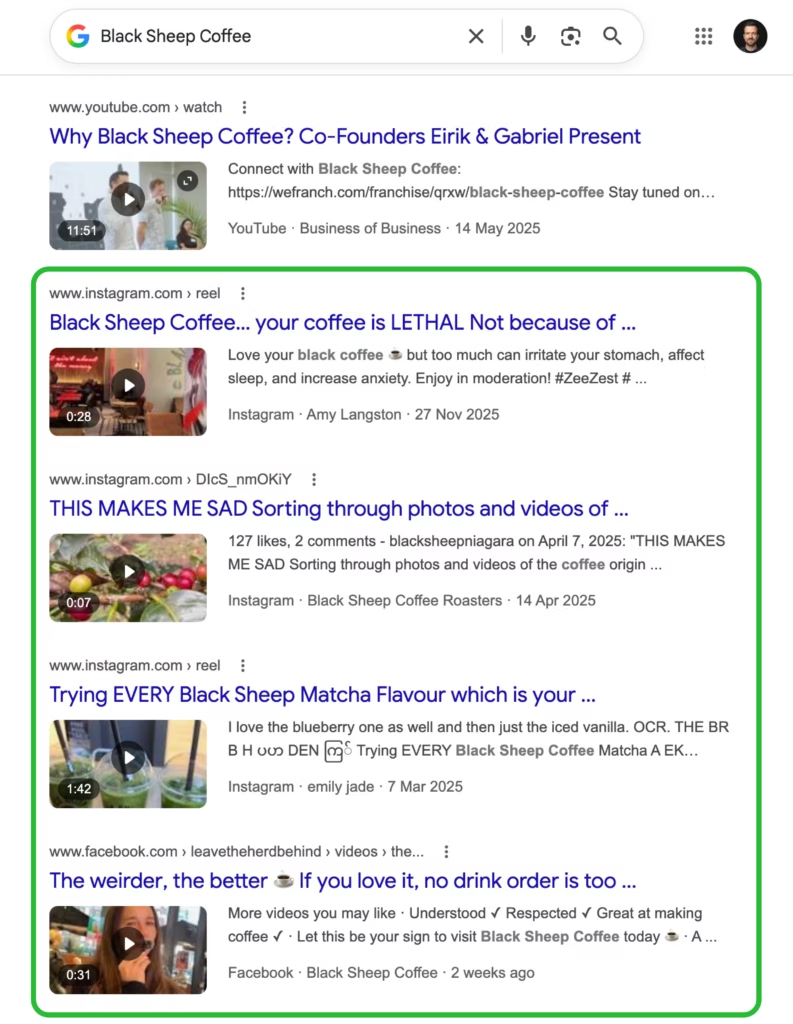
This means:
- Your Instagram posts can appear directly in Google search results
- Your social content can be cited in AI Overviews
- Your social profiles rank for branded searches
- Social sharing drives traffic that can lead to backlinks
| What Works | What Doesn’t Work |
|---|---|
| Optimized social profiles with NAP | Chasing likes/shares for “SEO juice” |
| Keyword-rich captions on Instagram | Expecting engagement to boost rankings |
| Social content that earns backlinks | Posting without SEO optimization |
| Building brand mentions for LLMs | Treating social as a ranking hack |
Social media is valuable for local businesses—just not as a direct ranking factor. It’s a discovery channel that can indirectly support SEO.
Geotagging Images
The Myth: Embedding GPS coordinates in image metadata helps local rankings.
The Reality: Google doesn’t use EXIF data for ranking purposes.
This was debunked years ago but persists in outdated SEO guides.
What actually works: Descriptive file names like seattle-emergency-plumber-van.jpg and alt text like “Pacific Plumbing service van in Seattle.”
Keyword Stuffing in GBP Description
The Myth: Loading your description with keywords improves rankings.
The Reality: Google understands context and natural language.
Stuffed descriptions don’t rank better and look spammy to customers. Write a natural description that tells customers what you do.
Expanding Service Areas for Rankings
The Myth: Adding more service areas in GBP helps you rank in those areas.
The Reality: Service area settings are informational only.
They tell customers where you operate, but don’t make you rank there.
Ranking in multiple areas requires either physical locations in those areas or strong location-specific landing pages with genuine local signals.
Common Local SEO Mistakes
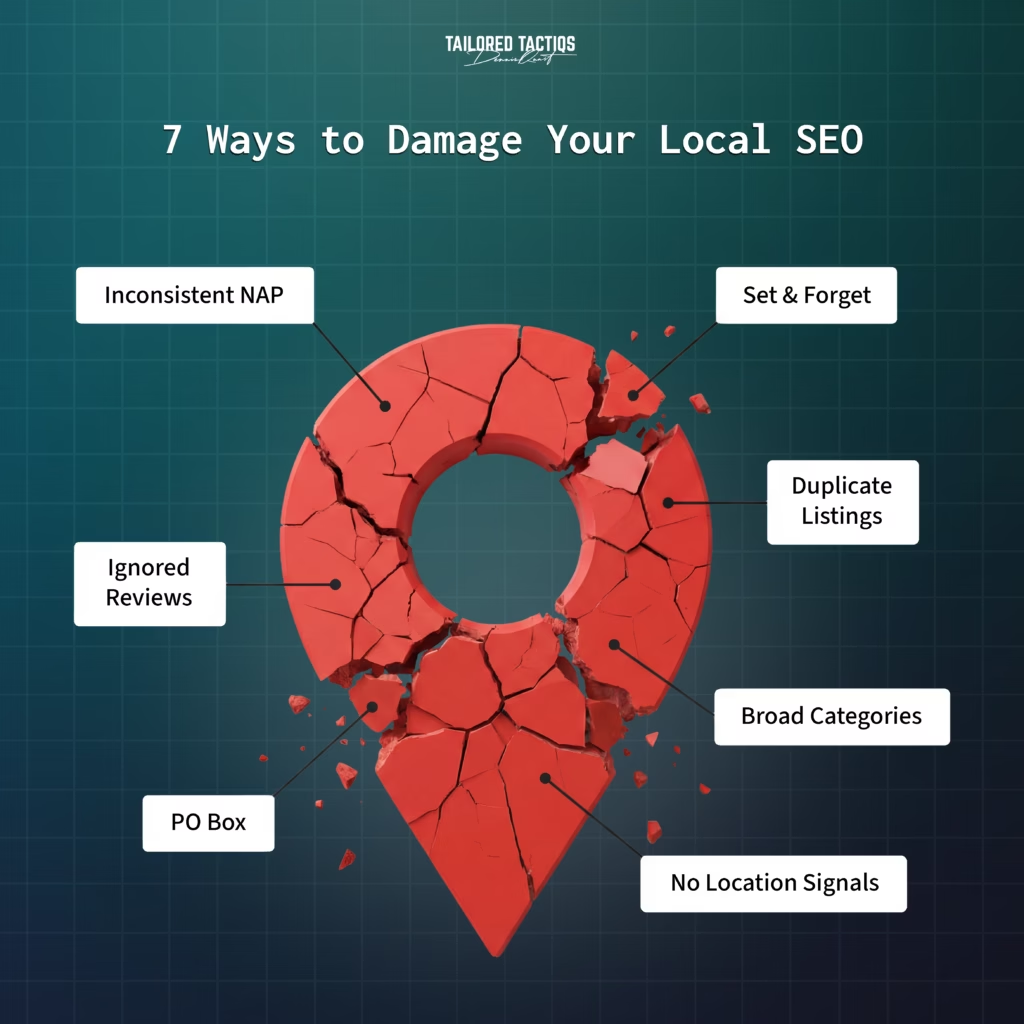
Inconsistent NAP
Different phone numbers or addresses across the web confuse Google. Create a master NAP document and audit all listings quarterly.
Ignoring negative reviews
Unanswered negative reviews damage reputation and signal disengagement. Respond professionally within 48 hours.
Using a PO Box
Google doesn’t allow PO Boxes for most business types. Use a real street address. Service-area businesses can hide their address.
Set-and-forget mentality
GBP requires ongoing maintenance. Update photos, respond to reviews, and post updates regularly. Stale profiles underperform.
Duplicate listings
Multiple GBP listings for the same location split reviews and confuse Google. Search for duplicates and request removal.
Choosing broad categories
Selecting “Professional Services” when “Personal Injury Attorney” is available hurts your visibility. Always choose the most specific category that applies.
No website location signals
Having a website with no mention of your city or service area. Include city name in title tags, H1s, content, and footer.
Local SEO Tools
Free Tools
| Tool | Purpose |
|---|---|
| Google Business Profile Manager | Manage your GBP listing |
| Google Search Console | Monitor search performance |
| Google’s Rich Results Test | Validate schema markup |
| GMBspy | See competitor GBP categories |
| Bing Places | Manage Bing listing |
Paid Tools
| Tool | Best For | Price Range |
|---|---|---|
| Semrush | All-in-one SEO + local | $130-500/mo |
| BrightLocal | Local SEO specific | $29-79/mo |
| Whitespark | Citation building + tracking | $20-100/mo |
| Moz Local | Citation management | $14-20/mo per location |
Frequently Asked Questions
How long does local SEO take to show results?
GBP changes typically reflect within 1-2 weeks.
Meaningful ranking improvements take 3-6 months of consistent effort. The timeline depends on your starting point, competition level, how aggressively you implement changes, and your review velocity.
What’s the difference between Google Business Profile and Google My Business?
They’re the same thing.
Google rebranded “Google My Business” to “Google Business Profile” in November 2021. Any reference to GMB now means GBP.
Do Google reviews actually affect rankings?
Yes.
Reviews account for roughly 16% of local ranking factors according to Moz’s research. Both quantity and quality matter, as does recency—a steady stream of new reviews beats 100 reviews from 3 years ago.
Can I rank in multiple cities without multiple locations?
Yes, but it’s harder.
Create dedicated landing pages for each city with unique, genuinely useful content. Build local citations and backlinks for each area.
However, businesses with physical presence will always have an advantage due to the proximity factor.
How often should I update my Google Business Profile?
At minimum: Respond to reviews within 48 hours, update hours for holidays, and add new photos monthly.
Ideal: Post updates weekly, add photos weekly, and respond to reviews same-day.
What’s the most important local SEO factor?
Your Google Business Profile.
GBP signals account for 32% of Map Pack ranking factors—more than any other category. Complete it 100% before focusing on anything else.
Does my website matter for local SEO?
Yes.
On-page signals account for 19% of local ranking factors. Your website reinforces your GBP, targets long-tail keywords, and captures searchers who scroll past the Map Pack.
You need both a strong GBP and a strong website.
What to Do Next
These local SEO strategies work—but only if you implement them.
This Week:
- Audit your Google Business Profile for 100% completion
- Update your homepage title tag with primary keyword + city
- Check your category selection against top competitors
- Set up a review request system
This Month:
- Create dedicated pages for your top 3-5 services
- Implement LocalBusiness schema markup
- Claim and verify your top 10 citation profiles
- Respond to all existing reviews
Ongoing:
- Respond to all reviews within 48 hours
- Add fresh photos monthly
- Post GBP updates weekly
- Build local backlinks when opportunities arise
- Audit citations quarterly
How We Can Help
At Tailored Tactiqs, we implement these strategies for businesses that want expert execution.
Our local SEO services include complete GBP audit and optimization, review generation systems, citation building and cleanup, local content strategy, and ongoing ranking monitoring.




 English
  German