

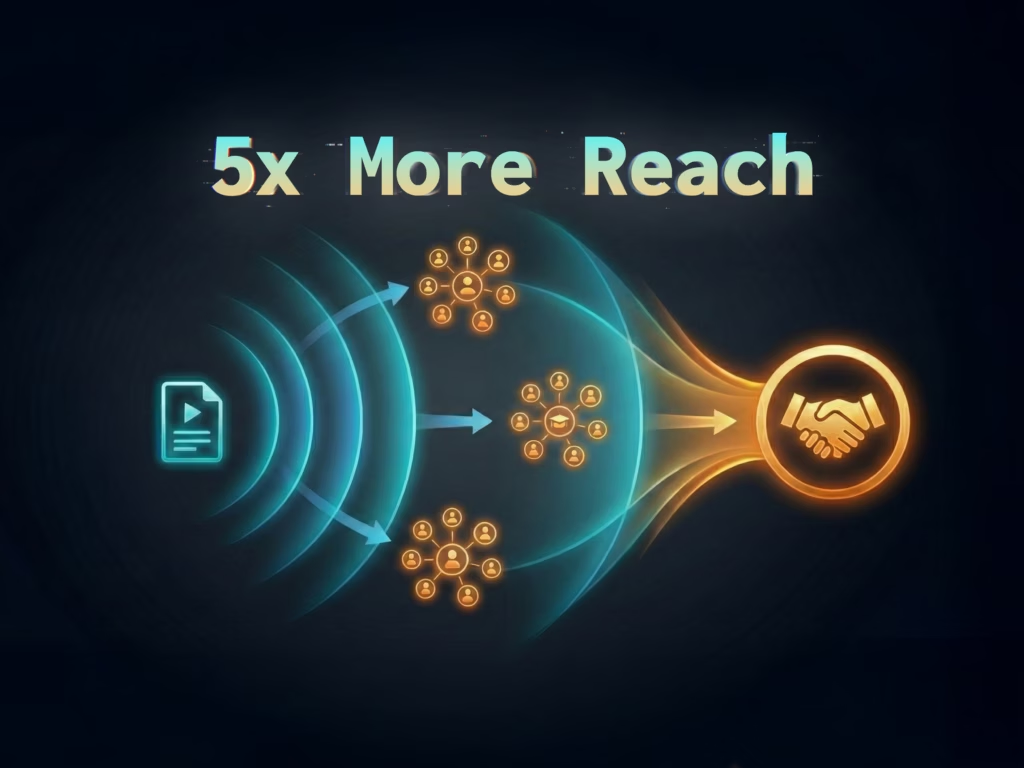
Here is a sobering fact about LinkedIn and social media algorithms: They hate Company Pages.
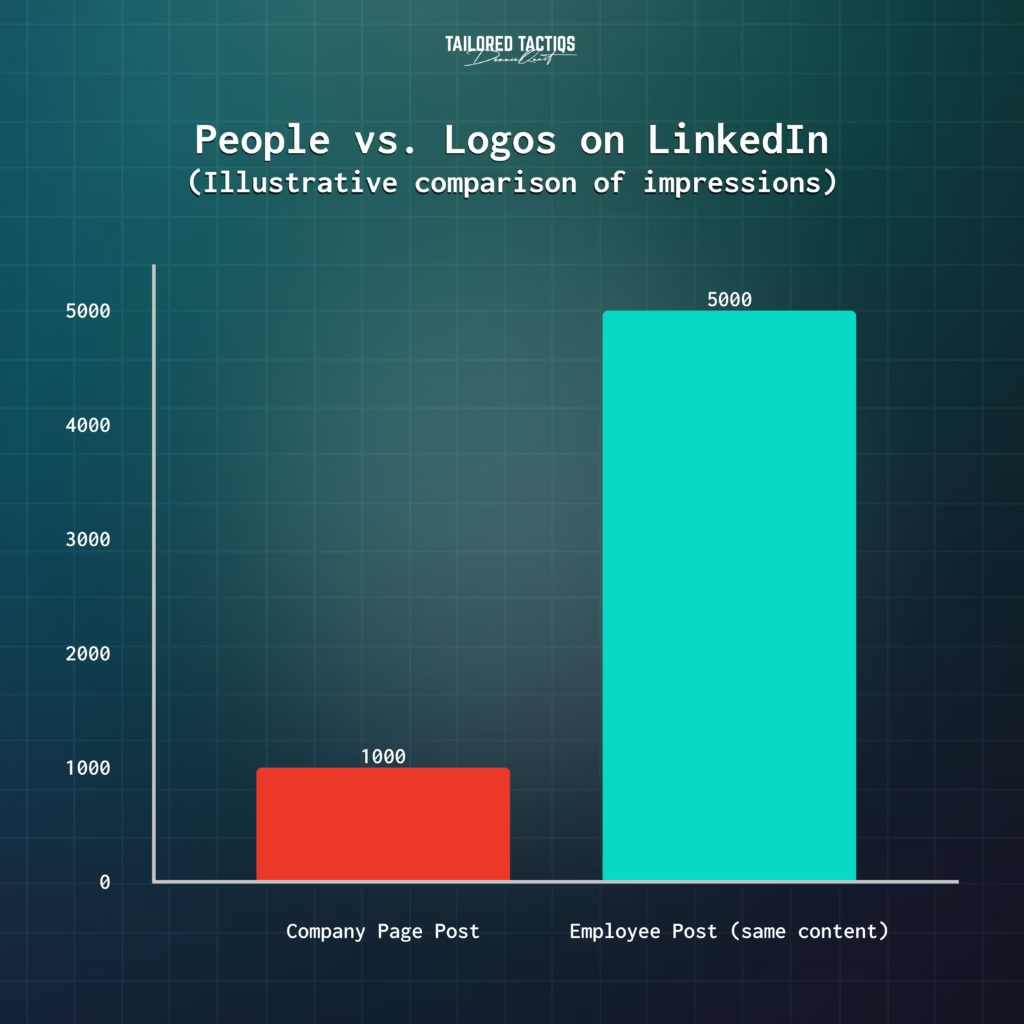
LinkedIn prioritizes connections with people, not logos. For example, a LinkedIn company page update with 50,000 followers might garner only 1,000 impressions, whereas the same update posted by a Sales Director to their 2,000 followers could receive 5,000 impressions.
This stark difference highlights why companies like Dell and Electronic Arts leverage B2B employee advocacy programs to transform their staff into social media ambassadors, boosting engagement and amplifying marketing effectiveness.
- LinkedIn favors personal profiles over company pages, driving far higher impressions and engagement.
- Employee advocacy multiplies reach by tapping each employee’s network for authentic distribution.
- Remove friction with ready-to-share Content Packs to make posting effortless and consistent.
- Use a permissive social media policy to empower employees and reduce fear of posting.
- Gamify participation with leaderboards and rewards to build habit and increase engagement.
- Measure advocacy with engagement, reach, and UTM-tracked conversions to prove ROI and optimize.
Turn Your Team into LinkedIn Amplifiers
The algorithm favors personal content because it trusts people more than brands. Personal profiles on LinkedIn enjoy nearly three times the impressions and five times the engagement compared to company page posts, making them a powerful tool for authentic content sharing and thought leadership.

Imagine if 20 employees each have 500 connections; collectively, that’s a network of 10,000 people reachable for free.
By tapping into employees’ immediate networks through their own posts, you can significantly enhance brand awareness, increase engagement, and position your company as an industry authority.
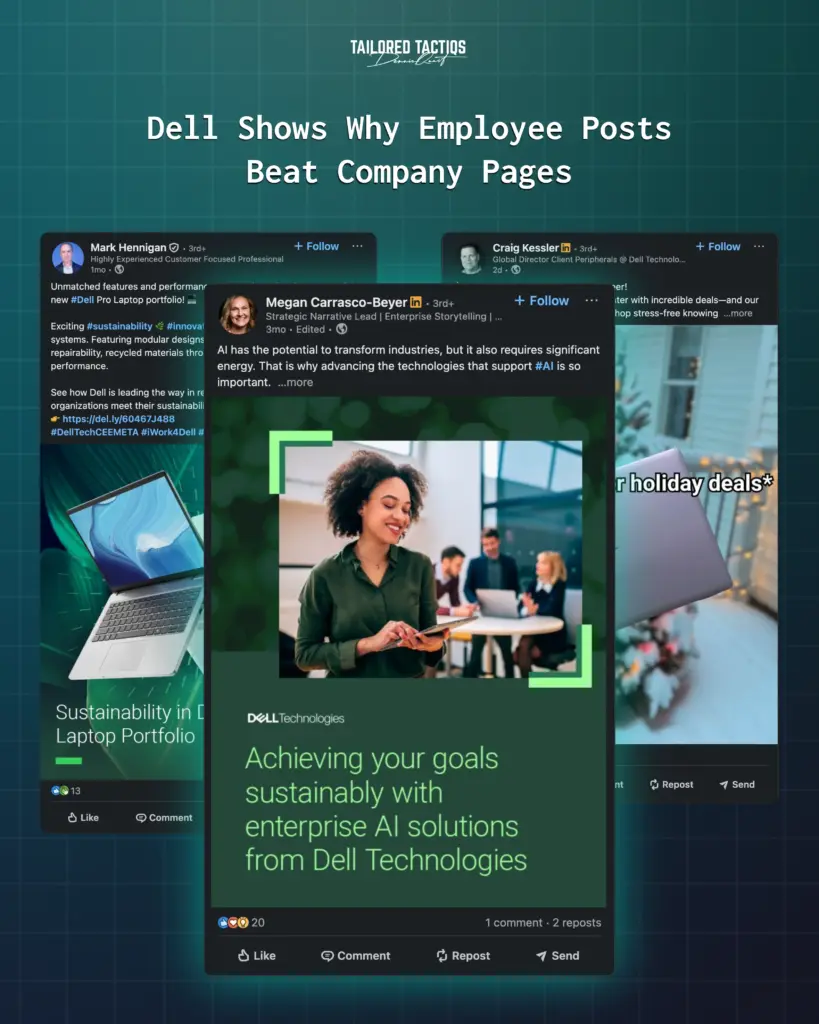
This approach forms what we call the Employee Army strategy.
Sharing LinkedIn content through executive and employee personal profiles is essential for increasing visibility and maximizing message impact. Content shared via personal profiles appears more frequently in LinkedIn feeds, driving higher engagement and impressions than company page posts.
By implementing these strategies thoughtfully, you can organically expand your brand’s reach and build genuine trust with your audience.
Pro tip: Encourage employees to view their personal LinkedIn profiles as micro-brands that, when nurtured, can collectively amplify your company’s presence far beyond traditional advertising.
1. The “Friction” Problem

Most CEOs say, “I told my team to post, but nobody did it.” That is because you asked them to do work.
Your employees are busy. They don’t know what to write. They are afraid of looking stupid.
Many face challenges with content creation, as developing and scheduling advocacy content can be time-consuming and overwhelming. They don’t want to spend 20 minutes crafting a LinkedIn post, especially when creating original content feels difficult.
To make this work, you must remove the friction. You must move from “Please post something” to “Here is exactly what to post,” by creating pre-written content that employees can easily share.
In short: Simplify the process for employees by removing guesswork—ready-to-share content is your advocacy program’s best friend.
2. The “Curated Feed” Solution in an Employee Advocacy Program
Do not rely on your employees’ creativity. Rely on their distribution.
Create a dedicated channel in Slack or Microsoft Teams called #social-content.
Every Monday and Thursday, your Marketing Manager (or agency) drops a “Content Pack” into that channel. Providing ready-to-share content makes it easier for employees to share content regularly and consistently.
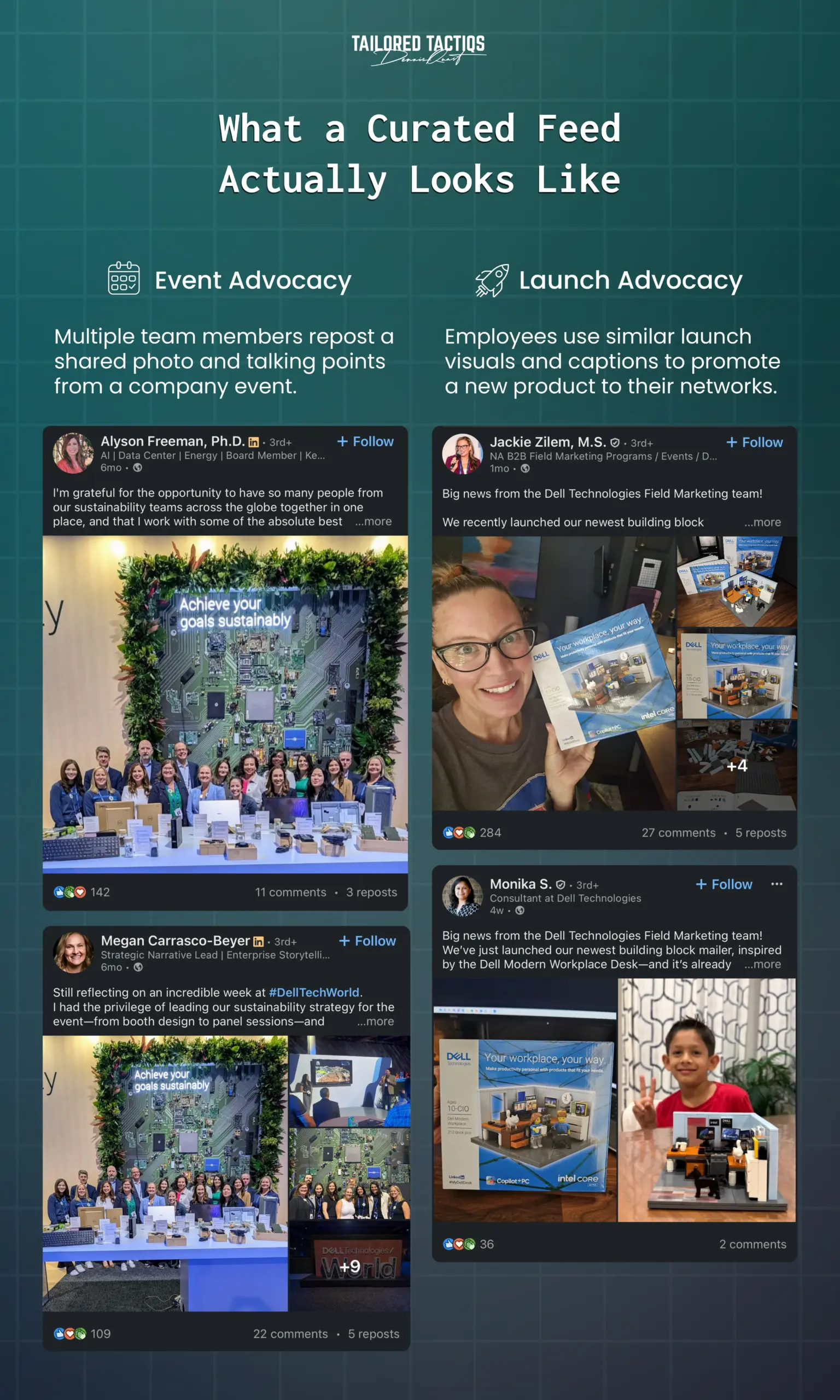
The Content Pack includes:
- Option A (The Thought Leader): A text-only post about an industry trend. “Here is the pre-written text. Copy, paste, and tweak the first sentence to sound like you.” Encourage employees to share thought leadership to position themselves and the company as industry leaders.
- Option B (The Company Hype): A graphic celebrating a recent client win. “Download this image. Here is the caption to use.”
- Option C (The Culture Post): A photo from the team lunch.
These options help employees share content that promotes both the organization and their personal interests. The value of content shared by employees is that it amplifies your reach and adds authenticity to your message.
Now, the employee doesn’t have to think. They just have to copy/paste. It takes 30 seconds and ensures a steady stream of social media content.
Pro tip: Rotate content types to keep your employee advocacy program feed fresh and engaging, appealing to different employee personalities and audiences.
3. Addressing the “Fear”
Your employees are worried about “saying the wrong thing.” You need to publish a clear Social Media Policy—but not a restrictive one. A permissive one.
Focus on empowering employees to share authentically and confidently, rather than restricting them. Explicitly tell them:
- “You are allowed to post about work during work hours.”
- “You do not need approval from Legal for every post (unless it discusses specific confidential client data).”
- “We want you to build your own personal brand. It helps you, and it helps us.”
Adopting best practices for social media policies will encourage authentic employee advocacy and help set clear, effective guidelines.
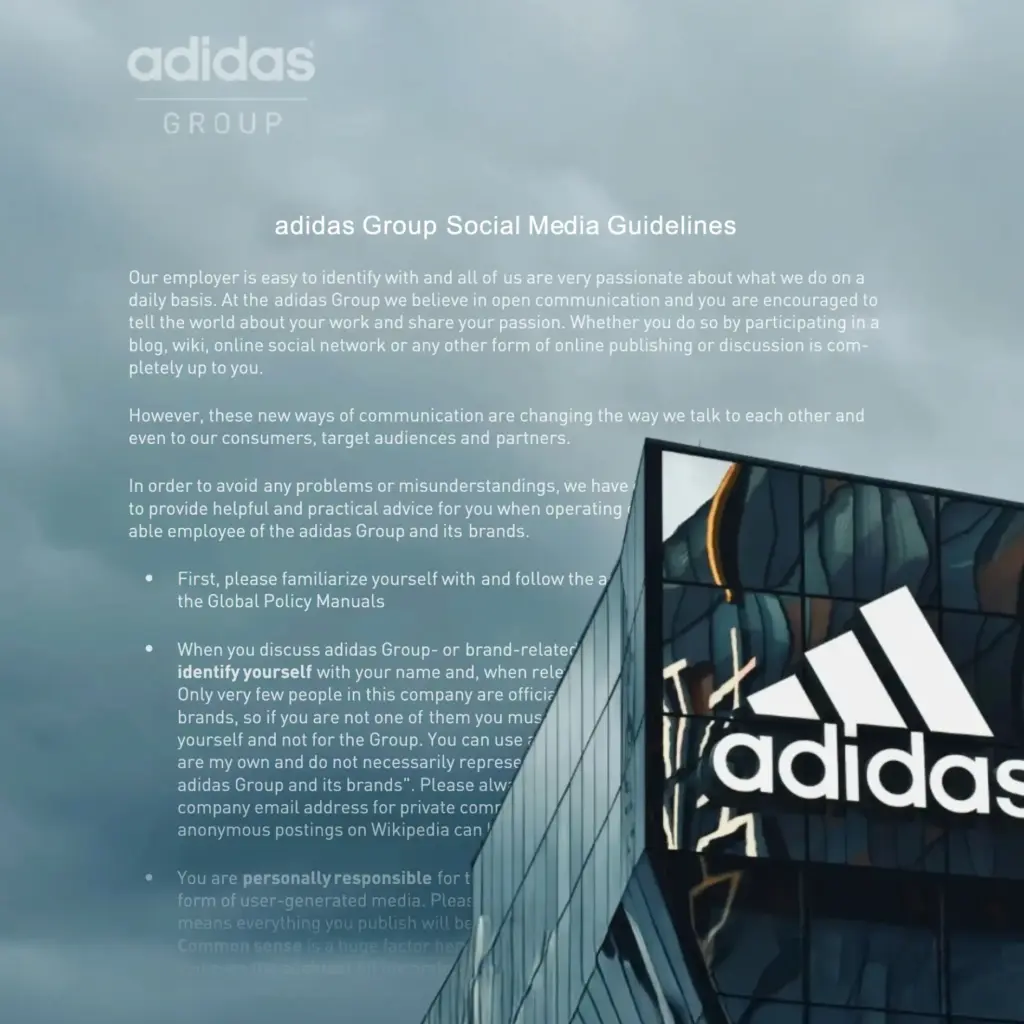
Adidas is a good example of this in practice. As a global brand, they encourage employees to talk about their work online, but with a few simple rules:
- Employees can say they work at Adidas, but must make clear they are speaking for themselves, not as official spokespeople.
- They are not allowed to share internal or sensitive information, like design plans or internal communications.
- They must respect copyright and give proper credit when sharing third‑party content.
In short: Empowerment beats restriction—clear, encouraging policies build confidence and participation.
4. The Gamification Layer
Even with easy content, people get lazy. You need to incentivize the behavior until it becomes a habit.
Run a monthly contest. Gamification like this drives more engagement among employees, making participation fun and competitive.

- Use a tool like Shield Analytics (or just manual tracking) to see which employee generated the most impressions.
- The Prize: $200 Amazon card, a half-day off, or a nice dinner.
- The Leaderboard: Post the “Top 5 Voices” in the Slack channel every Friday. Encourage employees to comment on each other’s posts to further boost visibility and engagement.
Competitive salespeople hate losing. If you show a leaderboard, they will start posting just to beat their colleagues.
Pro tip: Combine gamification with public recognition to create a culture where advocacy is celebrated and contagious.
5. The “Trojan Horse” Effect: Reaching Your Target Audience
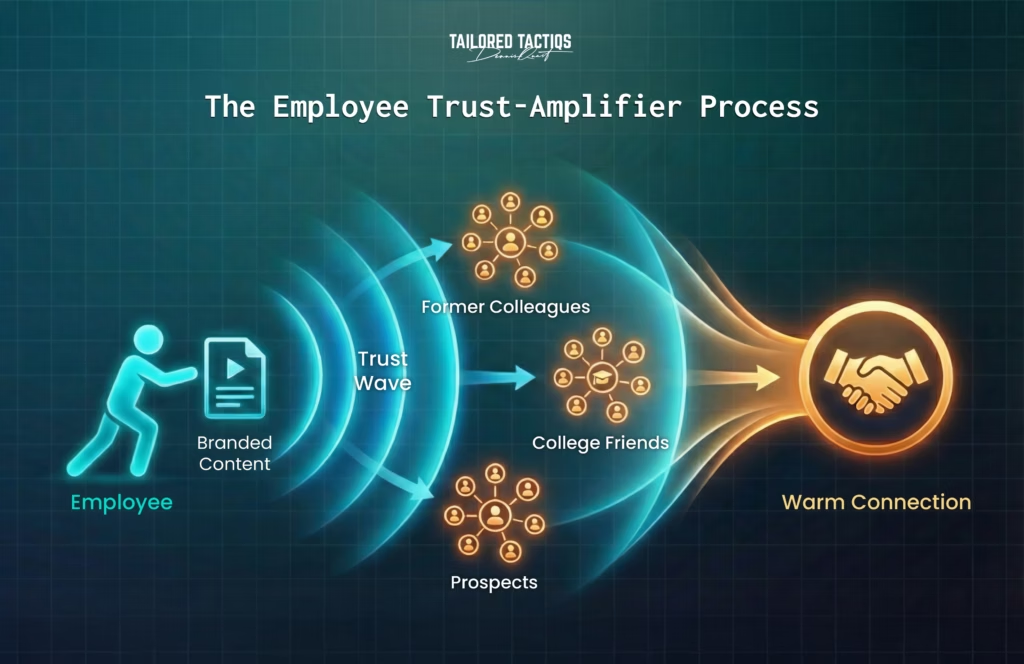
When your employees post, they aren’t just reaching random people. They are reaching:
- Their former colleagues (who might be at your target accounts).
- Their college friends (who are now decision-makers).
- The prospects they are currently selling to.
When a prospect sees your LinkedIn company page post, they scroll. When they see their friend Dave posting about how great your solution is, they stop and read. That is the transfer of trust.
This user-generated content, shared by employees through their own posts, extends reach far beyond what company page posts achieve, allowing you to boost LinkedIn reach organically.
In short: Employee sharing acts as a trust amplifier, turning cold impressions into warm connections.
6. Dealing with the “Exit” Fear: Building Brand Ambassadors
The common objection from CEOs is: “What if I help them build a personal brand and then they leave?” This is a scarcity mindset. The counter-question is: “What if you don’t, and they stay?”
If an employee builds a massive brand and leaves, they become an alumnus of your company. They are out in the world speaking highly of you. But while they are with you, their brand is your brand.
Stop shouting from the corporate logo.
We build the internal playbooks, write the ghost content for your team, and manage the gamification that turns your staff into your loudest marketing channel.
Pro tip: View employee personal brands as extensions of your corporate brand that can open doors and create goodwill—even beyond their tenure.
Setting Up a B2B Employee Advocacy Program: Strategy and Tools
Launching a successful employee advocacy program isn’t just about telling your team to “go post on LinkedIn.”
It starts with a clear plan and the right foundation.
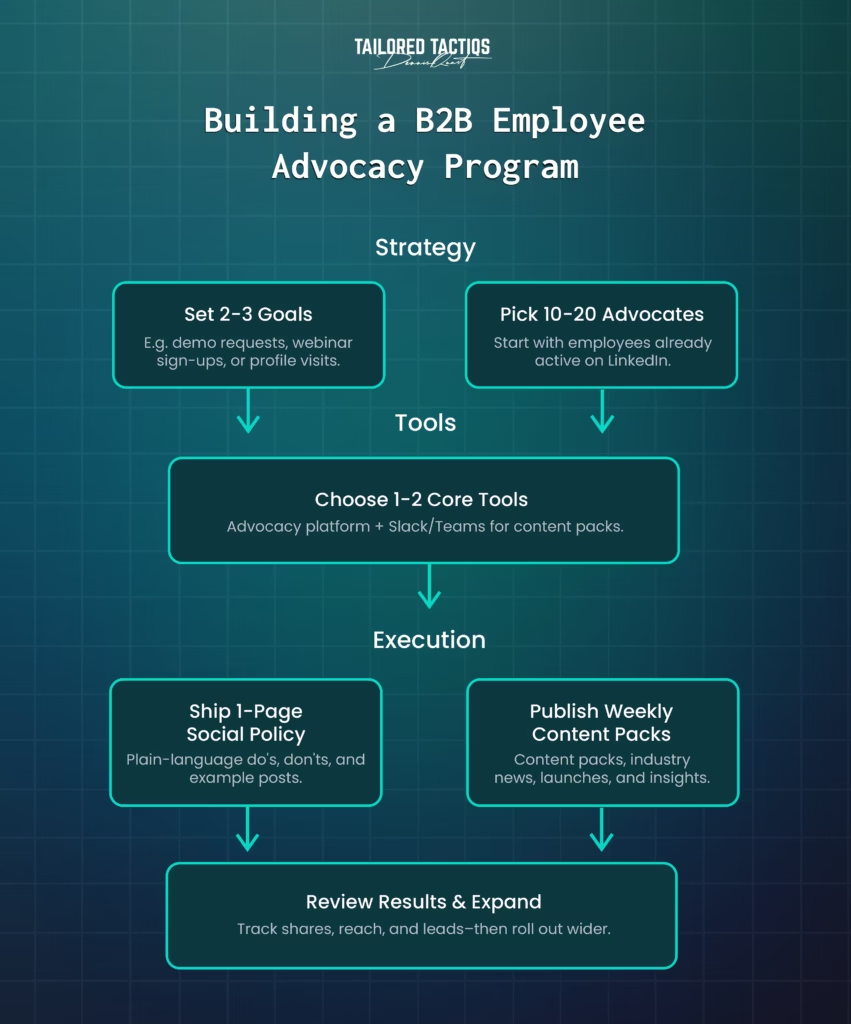
1. Define Clear Goals and Target Audience
First, define what you want to achieve: Is it more brand visibility? Driving traffic to your website? Establishing your company as a thought leadership powerhouse? Get specific with your objectives and identify your target audience to tailor your content marketing effectively.
2. Assess Company Readiness and Culture
Take a hard look at your company’s readiness. Is your culture open to sharing? Do you have the logistical support to keep things running smoothly?
The best employee advocacy programs start with employees who are genuinely excited to be brand ambassadors—so identify your natural advocates, those who already engage on social media pages and have a unique voice. Launching with a pilot group helps test and refine the employee advocacy strategy before scaling.
3. Invest in the Right Tools
Don’t try to wing it with spreadsheets and email chains. Invest in the right tools—a social media management platform can automate content distribution, track engagement, and make sharing effortless. These platforms help you manage advocacy content, monitor analytics, and maintain brand consistency.
4. Establish Clear Guidelines
Set up clear, simple guidelines for your employee advocates. This isn’t about policing every post; it’s about ensuring brand consistency and protecting your business while giving employees the freedom to share their own perspective.
5. Keep Content Flowing
Provide a steady stream of company updates, industry trends, product launches, and thought leadership pieces that employees can easily share on their personal social media pages. The easier you make it, the more your brand’s reach will grow—organically, authentically, and at scale.
Alongside your internal content packs, give employees a simple LinkedIn playbook they can follow. For example, our article on 7 LinkedIn Strategies for Success shows them how to optimize their profile, write better posts, and engage more strategically so their advocacy content performs even better.
In short: A well-oiled employee advocacy program is a blend of clear goals, culture, tools, guidelines, and continuous content supply.
Measuring Success: Dive into Analytics
If you’re not measuring, you’re guessing. To know if your B2B employee advocacy program is actually moving the needle, you need to track the right data.
Start with the basics: engagement rates (likes, comments, shares), content reach (how many people saw your posts), and lead generation (are you getting real business results?).
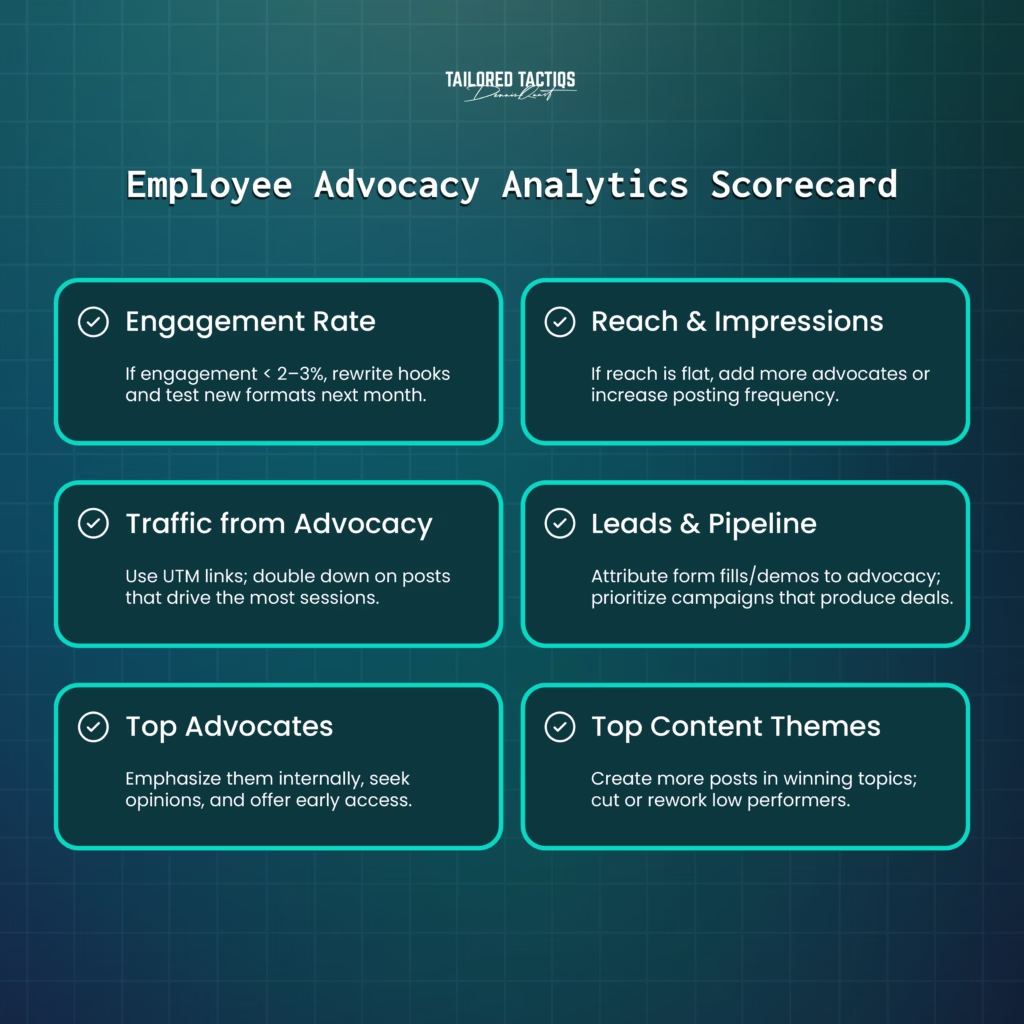
Use UTM parameters on links to see exactly which advocacy efforts are driving website traffic and conversions. Dive deeper into the analytics on employee sharing, LinkedIn posts, and your company page to spot trends and top advocates.
Don’t just look at vanity metrics—follower count and earned media are great, but the real gold is in the engagement and leads generated.
Set up a regular review process. Every month, analyze what’s working and what’s not. Which employees are driving the most engagement? Which types of content get the most traction?
Use these insights to refine your content strategy, double down on what works, and optimize your employee advocacy program for even better results. The more you measure, the more you can scale your success.
Pro tip: Tie advocacy metrics directly to business outcomes to prove ROI and secure ongoing leadership support.
Common Mistakes to Avoid
Even the best employee advocacy program can stumble if you fall into these common traps.
- Don’t skip the guidelines. Without clear direction, employee advocates might post off-brand content or, worse, nothing at all. Brand consistency matters.
- Don’t leave your team hanging. If you’re not providing a steady stream of shareable content, employees will run out of things to post—and your advocacy efforts will fizzle.
- Don’t ignore the numbers. If you’re not tracking engagement rates, content reach, and other key metrics, you’ll have no idea if your marketing strategy is working. Data is your friend—use it.
- Don’t rely solely on paid ads. Organic posts from real employees are far more authentic and can extend your brand’s reach much further than company page ads ever will.
- Don’t forget about employee engagement. If your team isn’t motivated or doesn’t see the value, participation will drop. Recognize your top advocates, celebrate wins, and keep the energy high. Leadership buy-in is necessary for the success of employee advocacy programs, as it signals that advocacy is a company priority.
Avoid these pitfalls, and you’ll create an employee advocacy program that not only supports your marketing strategy but also drives real, measurable success for your business.
Executive Influence and Leadership Buy-In: The Power of Top Talent
CEOs and other executives play a crucial role in boosting LinkedIn content reach. Their personal profiles have significant visibility and large networks, which the LinkedIn algorithm favors over company pages.
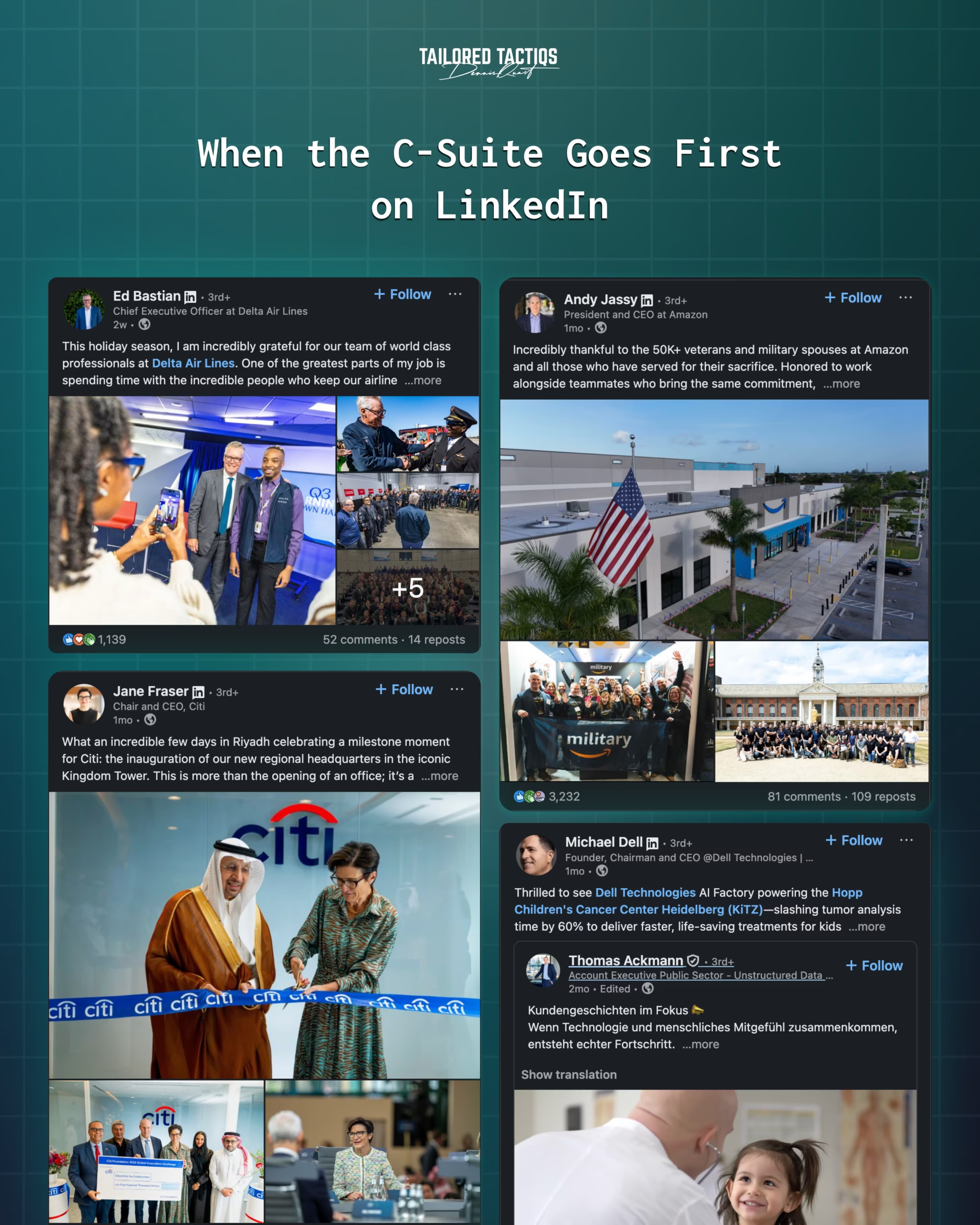
Executive involvement signals to employees that advocacy is a priority, encouraging broader participation. When leaders share insights, industry trends, or company updates, their posts spark discussions, attract engagement, and extend reach beyond their immediate network.
Building leadership’s personal brand on LinkedIn is a powerful way to humanize your company and position it as an industry authority.
In short: Executive advocacy sets the tone and turbocharges employee participation—lead from the front to win on LinkedIn.
Closing Thoughts on Creating a Successful B2B Employee Advocacy Program
By implementing the strategies outlined above—removing friction, providing ready-to-share content, fostering leadership buy-in, and leveraging gamification—you can empower your employees to become authentic brand ambassadors who amplify your message organically.
If you’re looking for experts to build a tailored employee advocacy program that drives real engagement, extends your reach, and delivers measurable business results, our team is here to help. We specialize in crafting customized marketing strategies that integrate seamlessly with your company culture and goals.
Let us partner with you to elevate your brand through genuine employee voices and unlock the full potential of LinkedIn’s organic reach.
Explore our Marketing Strategy Development Services.




 English
  German